
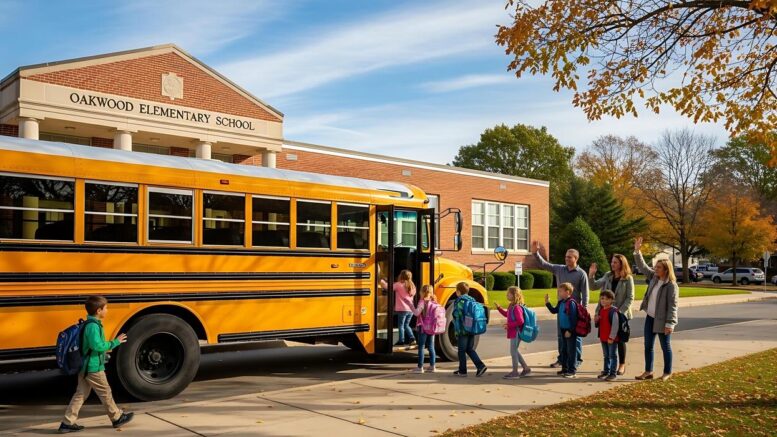
The start of a new school year brings fresh energy, new routines, and plenty of excitement. It also brings an opportunity — and a responsibility — to reinforce safety habits that help children feel confident, capable, and prepared. Whether a child is walking into kindergarten or navigating the halls of high school, the basics of personal safety remain the same: awareness, communication, and consistency.
Below are simple, age‑appropriate safeguards for students and the adults who support them.
1. Situational Awareness for Students
Children don’t need to be fearful — they need to be aware. Teaching them to notice what’s happening around them builds confidence and reduces risk.
- Eyes up, phones down when walking between classes or across campus.
- Know your exits in classrooms, gyms, cafeterias, and auditoriums.
- Trust your instincts — if something feels off, move toward a safe adult or location.
- Stay with friends when possible; there’s safety in numbers.
- Report concerns early, even if they seem small.
2. Safe Travel To and From School
Whether kids walk, bike, ride the bus, or get dropped off, a few habits go a long way.
- Walking: Use sidewalks, crosswalks, and well‑lit routes. Avoid shortcuts behind buildings or through isolated areas.
- Biking: Wear a helmet, follow traffic rules, and lock bikes securely.
- Bus Safety: Stand back from the curb, wait for the bus to stop fully, and stay seated while riding.
- Car Drop‑Off: Use designated zones and avoid rushing — most accidents happen when people are in a hurry.
3. Digital Safety & Online Awareness
School-aged children live in a digital world. Teaching them to navigate it responsibly is essential. (Opinion: If you can keep your children out of this digital world as long as possible, you will be much better off .)
- Protect personal information — full names, addresses, and school details should stay private.
- Think before posting — once something is online, it’s permanent.
- Avoid talking to strangers on gaming platforms, social media, or messaging apps.
- Tell an adult immediately if they receive threatening, inappropriate, or uncomfortable messages.
4. Emotional Safety & Peer Awareness
Safety isn’t just physical — it’s emotional. Kids thrive when they feel supported and understood. (Get involved in your kids’ lives!)
- Encourage open conversations about their day, friendships, and challenges.
- Teach them to recognize bullying and how to respond safely.
- Normalize asking for help — from teachers, counselors, or trusted adults.
- Model calm problem‑solving so they learn to regulate their own emotions.
5. Emergency Preparedness Without Fear
Preparedness builds confidence. Kids don’t need detailed tactical training — they need simple, repeatable steps.
- Know the school’s emergency procedures (fire drills, lockdowns, shelter‑in‑place).
- Identify safe adults: teachers, administrators, resource officers, coaches.
- Practice staying calm — deep breaths, listening for instructions, staying with the group.
- Have a family plan for communication during emergencies.
6. Safety Responsibilities for Adults
Parents, guardians, and community members play a crucial role in creating a safe environment.
- Stay informed about school policies, campus layout, and emergency plans.
- Build relationships with teachers and staff — communication strengthens safety.
- Teach and model awareness at home.
- Monitor digital activity and set healthy boundaries.
- Advocate for safe environments — lighting, secure entrances, responsible supervision, and supportive culture.
7. Confidence Through Preparedness
Safety isn’t about fear — it’s about empowerment. When students understand their surroundings, know how to respond, and feel supported by adults, they walk into school with confidence.
That’s the heart of “Cool School”: helping families build habits that make kids safer, stronger, and more self‑assured every day.
Conclusion
As students head back into classrooms, hallways, and daily routines, safety becomes a shared commitment — one built through awareness, preparation, and steady guidance from the adults who care about them. When children understand their surroundings, practice simple safeguards, and know they have a supportive team behind them, they walk into school with a sense of confidence that empowers them far beyond academics. By reinforcing these habits at home and in our communities, we help create an environment where kids can learn, grow, and thrive with peace of mind. Safety isn’t just a checklist — it’s a culture we build together, one day at a time.